Transplant Surgery

Liver Transplantation: A Comprehensive Medical Guide

Understanding the lifesaving procedure, success rates, recovery process, and key facts about liver transplantation worldwide.

Author Avatar

Dr. Arjun Mehta

Hepatobiliary & Transplant Surgeon
April 10, 2025 12 min read
Liver Transplantation Surgery
0

Liver Transplants Per Year

0

1-Year Survival Rate (%)

0

5-Year Survival Rate (%)

0

Waiting List Patients (USA)

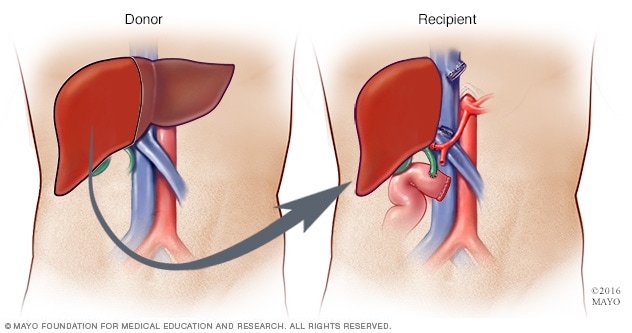
Liver transplantation is a life-saving surgical procedure that replaces a diseased liver with a healthy one from a donor. As the second most common transplant surgery worldwide after kidney transplantation, it represents a remarkable achievement in modern medicine with survival rates exceeding 90% at one year and 75% at five years post-transplant.

The liver is a vital organ responsible for numerous critical functions including detoxification, protein synthesis, and production of biochemicals necessary for digestion. When liver function declines irreversibly, transplantation becomes the only curative option.

Key Facts & Global Statistics

  • First successful transplant: 1967 by Dr. Thomas Starzl in the United States
  • Annual procedures worldwide: Approximately 40,000 liver transplants
  • Leading transplant countries: USA, China, India, Germany, and the UK
  • Average waiting time: 6-12 months for deceased donor transplants
  • Living donor compatibility: Blood type and body size are key factors
  • Cost range: $300,000 - $800,000 in the United States
  • Cost in India: $30,000 - $60,000 (significantly lower with comparable success rates)

When is a Liver Transplant Needed?

Liver transplantation is considered when the liver is no longer able to perform its essential functions, a condition known as end-stage liver disease (ESLD). The most common indications include:

Chronic Liver Diseases

  • Cirrhosis (alcoholic and non-alcoholic)
  • Hepatitis B and C
  • Primary biliary cholangitis
  • Primary sclerosing cholangitis
  • Autoimmune hepatitis

Acute Liver Failure & Others

  • Acute liver failure (fulminant hepatitis)
  • Metabolic diseases (Wilson's disease, hemochromatosis)
  • Liver cancers (hepatocellular carcinoma)
  • Congenital biliary abnormalities
  • Polycystic liver disease

MELD Score: Determining Transplant Priority

The Model for End-Stage Liver Disease (MELD) score predicts 3-month survival for patients with ESLD. Calculated from bilirubin, creatinine, and INR values, it ranges from 6 to 40, with higher scores indicating greater urgency for transplantation.

MELD 6-10

Low priority

MELD 11-18

Moderate priority

MELD 19+

High priority

Types of Liver Transplants

Type Description Advantages Considerations
Deceased Donor Liver from a brain-dead donor Most common type, no risk to donor Waiting list, time-sensitive
Living Donor Partial liver from a healthy donor Shorter waiting, planned procedure Risk to donor, requires compatibility
Split Liver Deceased donor liver divided for 2 recipients Maximizes donor organ use Technical complexity
Auxiliary Partial transplant without removing native liver Native liver may recover Limited indications

Success Rates & Outcomes

Liver Transplant Survival Rates (Global Data)

90-95%

1-Year Survival

75-85%

5-Year Survival

60-70%

10-Year Survival

Factors Influencing Transplant Success

Positive Factors
  • Younger recipient age
  • Good overall health aside from liver disease
  • Living donor transplant
  • Early referral and transplantation
  • Strong social support system
Challenging Factors
  • Advanced age (>65 years)
  • Co-existing conditions (heart, kidney disease)
  • Active infection at time of transplant
  • Malnutrition and muscle wasting
  • History of non-compliance with medical care

Post-Transplant Quality of Life

Most transplant recipients experience significantly improved quality of life. Studies show:

  • 85% return to work or normal activities within 6-12 months
  • Significant improvement in physical and mental health scores
  • Ability to resume normal diet (with some restrictions)
  • Improved cognitive function in patients with hepatic encephalopathy
  • Normalization of liver function tests in successful transplants

India's Growing Role in Liver Transplantation

Medical Tourism India

Why Choose India for Liver Transplant?

  • Cost-effective: 1/10th the cost of Western countries with comparable outcomes
  • World-class facilities: JCI-accredited hospitals with advanced technology
  • Expert surgeons: Internationally trained and experienced transplant teams
  • Shorter waiting times: 2-4 weeks compared to 6-12 months in many countries
  • High success rates: 85-90% one-year survival in leading centers
  • Comprehensive care: Holistic approach including rehabilitation
2,500+

Liver Transplants Annually in India

85-90%

Success Rate in Indian Centers

1/10th

Cost Compared to Western Countries

Post-Transplant Recovery & Lifestyle

Recovery Timeline

Hospital Stay (7-14 days)

ICU monitoring, pain management, initial recovery

First 3 Months

Frequent follow-ups, medication adjustment, gradual activity

3-6 Months

Return to light work, continued monitoring

6-12 Months

Normal activities resume, stable medication regimen

1 Year+

Long-term management, annual checkups

Lifelong Considerations After Transplant

Essential Practices
  • Immunosuppressant medications: Lifelong requirement to prevent rejection
  • Regular monitoring: Blood tests, liver function tests, imaging as needed
  • Infection prevention: Vigilance against infections due to suppressed immunity
  • Healthy lifestyle: Balanced diet, regular exercise, no alcohol/tobacco
Potential Complications
  • Acute rejection: 15-25% risk, usually manageable with medication
  • Chronic rejection: 5-10% risk over years
  • Infections: Due to immunosuppression
  • Metabolic complications: Diabetes, hypertension, kidney issues
  • Recurrence of original disease: Particularly with hepatitis C or cancer

Conclusion

Liver transplantation has evolved from an experimental procedure to a well-established, life-saving treatment with excellent outcomes. With 1-year survival rates exceeding 90% in many centers, it offers hope to patients with end-stage liver disease who have no other treatment options.

Advances in surgical techniques, immunosuppressive medications, and post-transplant care continue to improve outcomes and quality of life for recipients. Living donor transplantation has expanded the donor pool, while innovations like machine perfusion are increasing the utilization of marginal organs.

For patients considering transplantation, thorough evaluation at a specialized center, understanding the commitment to lifelong care, and building a strong support system are crucial for success. With proper medical management, most transplant recipients can look forward to many years of productive, healthy life.

Share this article

Dr. Arjun Mehta

Dr. Arjun Mehta

Hepatobiliary & Transplant Surgeon

Dr. Mehta has performed over 500 liver transplants and leads the hepatobiliary surgery department at Gods Life Health Care. He trained at Johns Hopkins and has 15+ years of experience.

Table of Contents

Quick Facts

  • Liver can regenerate to full size in 2-3 months
  • Living donors resume normal life in 2-3 months
  • New immunosuppressants have fewer side effects
  • 85% of recipients return to work within a year

Need Consultation?

Our transplant specialists can evaluate your case and provide personalized guidance.

Book Consultation