Stress Management Techniques
Effective strategies to manage daily stress and prevent its negative impact on physical and mental health.
Read more
Understanding the impact of technology on mental wellbeing and strategies for maintaining balance.

Dr. Sophia Williams
Clinical Psychologist & Digital Wellness Specialist
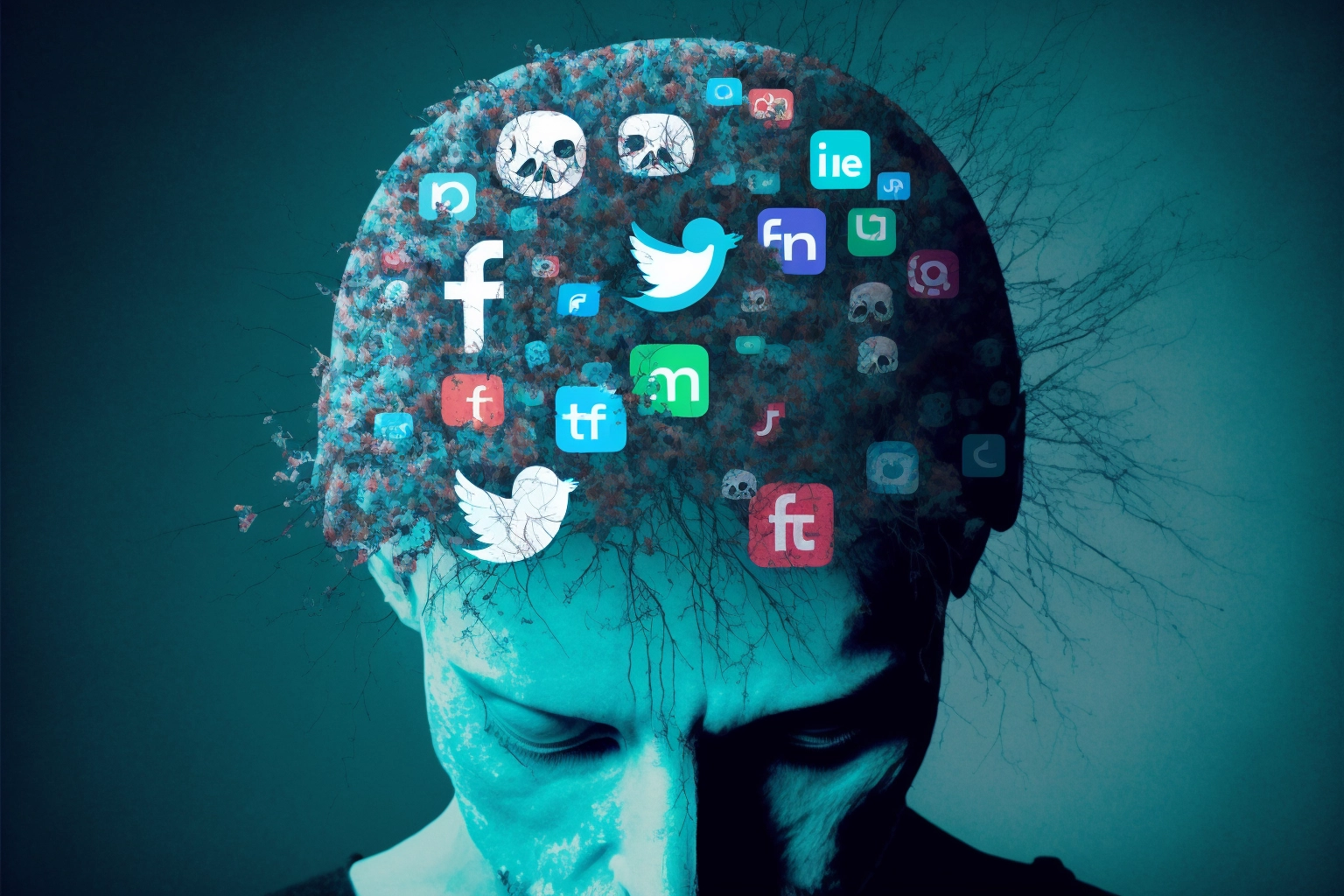
In our increasingly connected world, digital technology has transformed how we work, communicate, and entertain ourselves. While these advancements offer unprecedented convenience and opportunities, they also present unique challenges to our mental wellbeing. Understanding this complex relationship is crucial for maintaining psychological health in the 21st century.
This comprehensive guide explores the multifaceted impact of digital technology on mental health and provides evidence-based strategies for creating a healthier relationship with our digital devices.
Digital technology presents a paradox for mental health - it can be both a source of stress and a tool for wellbeing. Understanding this duality is the first step toward developing a healthier relationship with technology.
The key lies not in rejecting technology altogether, but in developing awareness and intentionality around how we engage with digital tools. By understanding both the risks and benefits, we can harness technology to support rather than undermine our mental health.
Developing healthy digital habits requires intentional effort and consistent practice. These evidence-based strategies can help you maintain mental wellbeing in our hyperconnected world.
No phone for first hour, mindful checking of messages, intentional social media use
Focused work blocks, scheduled email checks, regular screen breaks, phone-free lunch
Digital detox after 8:00 PM, device-free dinner, analog activities, preparation for sleep
One digital-free day per month, social media audit, reflection on digital habits
While digital technology can challenge mental health, it also offers powerful tools for support and improvement. These resources can complement traditional mental health care.
Online access to licensed therapists through video, chat, and messaging
Guided meditation, breathing exercises, and stress management tools
Online groups connecting people with similar mental health experiences
Navigating mental health in the digital age requires awareness, intention, and balance. While technology presents real challenges to psychological wellbeing, it also offers unprecedented tools for support, connection, and self-care. The goal is not to eliminate technology from our lives, but to develop a conscious, healthy relationship with it.
By implementing boundaries, practicing digital mindfulness, and leveraging technology's positive potential, we can harness the benefits of our connected world while protecting our mental health. Remember that small, consistent changes in digital habits can lead to significant improvements in overall wellbeing.

Clinical Psychologist & Digital Wellness Specialist
Dr. Williams specializes in the intersection of technology and mental health, with over 12 years of experience helping clients develop healthy digital habits.
Receive monthly mental health tips and digital wellness strategies.

Effective strategies to manage daily stress and prevent its negative impact on physical and mental health.
Read more
How regular mindfulness practice can reduce anxiety, improve focus, and enhance overall wellbeing.
Read more
The powerful connection between quality sleep and emotional regulation, mood stability, and cognitive function.
Read more
How physical activity impacts brain chemistry, reduces stress, and improves overall mental health.
Read more
Social Media and Mental Health
Social media platforms have become integral to modern social life, but their impact on mental health is complex and multifaceted. Research has identified several ways social media use can affect psychological wellbeing.
Research Findings on Social Media Impact